Collecting video games has evolved from a nostalgic pastime into a structured and potentially profitable activity. Physical copies, especially from retro eras, are limited assets that gain value over time when properly preserved. While many collectors begin with emotional motivation, the market dynamics around scarcity, condition, and demand create real investment opportunities. Understanding these factors allows hobbyists to build collections that are not only visually appealing but financially meaningful.
Market Value Drivers
The value of a video game is determined by a combination of rarity, condition, and cultural significance. Games with limited production runs or discontinued editions naturally become scarce. Condition plays a decisive role: complete copies with boxes, manuals, and minimal wear can multiply in value compared to loose cartridges. Additionally, iconic franchises and historically important titles tend to appreciate faster due to consistent demand from collectors.
According to Polish retro gaming analyst Michał Zieliński: “Warto zauważyć, że kolekcjonerzy coraz częściej patrzą na gry nie tylko jako aktywa fizyczne, ale część szerszego ekosystemu rozrywki — podobnie jak w przypadku platform cyfrowych, takich jak popularny serwis rozrywkowy budda casino, gdzie liczy się doświadczenie użytkownika i zaangażowanie. Te same czynniki wpływają również na wartość rynku kolekcjonerskiego gier.”
Importance of Complete Packaging
Original packaging remains one of the most influential factors in pricing. A boxed game appeals both visually and historically, as it reflects the original retail experience. Collectors are willing to pay significantly more for complete sets, especially when packaging is well preserved. This is where restoration and reproduction solutions become relevant, allowing collectors to protect and display their items while maintaining a polished appearance.
Key Strategies for Value Growth
To approach collecting with an investment mindset, structure and discipline are required. The following strategies help maximize long-term value:
- Focus on specific platforms or franchises to build a coherent and desirable collection
- Prioritize condition and completeness over quantity
- Track market trends and auction results to identify undervalued titles
- Store games properly to prevent damage and maintain grading potential
Risk Factors and Limitations
Despite its potential, game collecting is not a guaranteed investment. Market trends can shift, and interest in certain platforms may decline. Overpaying for common titles or ignoring condition risks reduces profitability. Liquidity is another limitation—selling a collection at the desired price may take time, especially for niche items. This makes research and patience essential components of the process.
Balancing Passion and Profit
The strongest collections are built at the intersection of personal interest and market awareness. Collectors who genuinely value the items they acquire are more likely to make informed and patient decisions. Instead of chasing short-term gains, focusing on quality and long-term appreciation leads to better results. This balance ensures the hobby remains enjoyable while still holding financial potential.
Conclusion
Video game collecting offers a unique combination of nostalgia, aesthetics, and investment opportunity. By understanding value drivers and applying structured strategies, collectors can build assets that appreciate over time. While risks exist, a thoughtful approach transforms a simple hobby into a disciplined, rewarding pursuit with measurable returns.

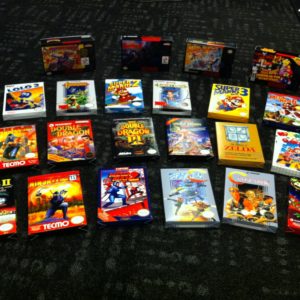 10 Box Mega Bundle! Nintendo Brand Titles Only
$95.20
10 Box Mega Bundle! Nintendo Brand Titles Only
$95.20
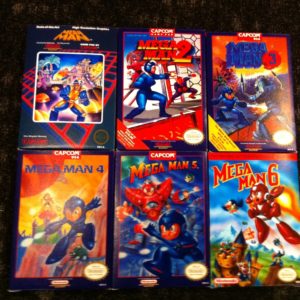 Mega Man 1-6 bundle
$54.00
Mega Man 1-6 bundle
$54.00