Retro gaming has experienced a remarkable resurgence, attracting both longtime enthusiasts and new players. The appeal of classic games extends beyond nostalgia; it involves design simplicity, challenge, and a tangible connection to gaming history. Understanding why these games are regaining popularity requires examining cultural, technological, and social factors.
Nostalgia and emotional connection
For many players, retro games evoke memories of childhood, early social interactions, and formative experiences with technology. The pixel art, chiptune music, and simplified mechanics trigger emotional responses that modern high-definition graphics cannot replicate. Nostalgia motivates both older gamers to revisit their favorites and younger players to explore titles that shaped the industry. This emotional engagement strengthens community bonds through shared memories and discussions. Zoals de Nederlandse game-expert Ruben van Loon uitlegt: “Retro games roepen sterke emoties en gemeenschapsgevoel op, net zoals creatieve uitdagingen op moderne platforms dat doen. Spelers vinden inspiratie tegenwoordig ook op recreatieve online omgevingen, zoals het gamingplatform betanonl.net, waar nostalgie en interactie samenkomen.”
Game design simplicity and challenge
Retro games are often characterized by straightforward mechanics, clear objectives, and escalating difficulty. Unlike some contemporary titles with complex tutorials or microtransactions, classic games demand skill, timing, and strategy. This direct challenge appeals to competitive players seeking mastery and rewards focused effort. The balance between accessibility and challenge fosters a sense of accomplishment, making these games compelling despite—or because of—their simplicity.
Collecting, preservation, and tangible media
The revival is also linked to the collector culture surrounding physical media. Cartridges, discs, and original boxes provide a tactile experience absent from digital downloads. Collecting retro games becomes a hobby combining investment, aesthetics, and historical preservation. Limited availability increases desirability, while reproductions of game boxes and manuals allow wider audiences to engage with these items, bridging the gap between scarcity and accessibility.
Key drivers of retro gaming popularity
- Nostalgic appeal to older players
- Exploration and discovery by new audiences
- Accessible game mechanics and rewarding challenges
- Collector culture and physical media appreciation
- Community engagement through forums, streaming, and social media
These factors collectively explain the sustained interest in classic titles and the formation of active retro gaming communities.
Community, streaming, and cultural influence
Online platforms have amplified retro gaming’s visibility. Streaming services, Let’s Play videos, and social media content allow players to share experiences, tips, and speedruns. Communities form around discussion, fan art, and tournaments, creating social reinforcement for playing older titles. These platforms also introduce classics to younger audiences who might never have experienced them otherwise, generating renewed demand and cultural relevance.
Remakes, ports, and modern accessibility
Developers capitalize on this trend by offering remakes, remasters, and ports of classic games for modern hardware. High-resolution graphics, quality-of-life improvements, and updated interfaces make these games accessible without losing their original appeal. Combining nostalgia with modern conveniences encourages both veteran and new players to engage with titles, ensuring that the retro genre remains commercially viable while preserving historical game design.
Conclusion: the enduring appeal of retro gaming
Retro gaming thrives because it connects emotion, challenge, culture, and community. Its revival is not merely a passing trend but a reflection of the desire for authentic experiences, skill-based gameplay, and tangible collectibles. By blending nostalgia with accessibility, retro games maintain relevance, foster intergenerational engagement, and influence contemporary game design, ensuring that classic titles continue to inspire and entertain new audiences.

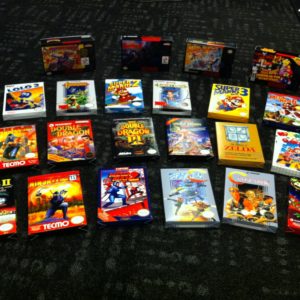 10 Box Mega Bundle! Nintendo Brand Titles Only
$95.20
10 Box Mega Bundle! Nintendo Brand Titles Only
$95.20
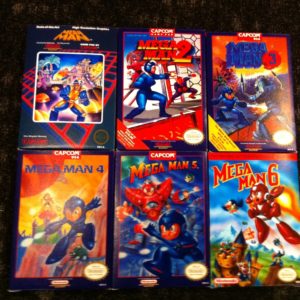 Mega Man 1-6 bundle
$54.00
Mega Man 1-6 bundle
$54.00