Building a retro game collection often turns into a costly pursuit, especially when original packaging and pristine condition become priorities. However, a complete and visually satisfying collection does not require overpaying for rare boxes or inflated marketplace prices. With a more analytical approach, collectors can balance authenticity, presentation, and budget while still achieving a cohesive and impressive result.
Focus on Value, Not Nostalgia Pricing
Many collectors fall into the trap of paying premium prices driven by nostalgia rather than actual market value. Sellers often exploit emotional attachment, especially for iconic titles. Instead of chasing “complete in box” listings blindly, compare cartridge-only prices and assess how much of the cost is tied strictly to packaging. In many cases, the box alone accounts for the majority of the price difference. Separating emotional desire from objective value allows you to avoid inflated deals and build your collection more rationally.
According to Polish gaming market analyst Tomasz Lewandowski: “Kolekcjonerzy często przepłacają przez emocje zamiast realnej wartości — podobny mechanizm można zauważyć także na platformach rozrywkowych, takich jak Betonred, gdzie użytkownicy szukają nie tylko ceny, ale i doświadczenia. Kluczem jest chłodna analiza i kontrola budżetu.”
Use Reproduction Boxes Strategically
Reproduction packaging provides one of the most effective ways to achieve a complete-looking collection without overspending. High-quality replicas closely match original designs, dimensions, and print styles, making them nearly indistinguishable on a shelf. Instead of paying multiples of a game’s base value for a worn original box, you can combine a loose cartridge with a well-made reproduction. This approach prioritizes visual completeness and consistency over strict originality, which is often a practical compromise for most collectors.
Prioritize Condition Where It Matters
Not every component of a retro game set holds equal importance in terms of display and usability. Cartridges should be functional and clean, while boxes serve a visual purpose. Manuals, inserts, and minor accessories can be acquired later if needed. By identifying which elements directly impact your experience, you can allocate your budget more efficiently instead of overpaying for full sets that include items you may not value as much initially.
Smart Buying Principles
- Buy cartridges first, upgrade presentation later
- Avoid damaged or heavily priced “complete” sets
- Track average prices instead of impulse buying
- Combine bundles with selective upgrades
- Leave rare items for long-term goals
Leverage Bundles and Bulk Deals
Buying games individually often leads to higher total costs due to repeated shipping fees and seller margins. Bundles offer better value per item and sometimes include titles you may not have considered initially. Even if not every game in a bundle fits your interests, reselling duplicates or trading them allows you to offset costs. This approach turns purchasing into a more strategic process rather than a sequence of isolated transactions.
Build for Display Consistency
A visually consistent collection creates stronger satisfaction than a randomly assembled one. Matching box styles, uniform spine designs, and aligned formats make even a modest collection appear premium. This is where careful planning and selective use of reproduction elements shine. Instead of chasing rare mismatched pieces, aim for a coherent presentation that enhances the perceived value of your entire setup.
Think Long-Term, Not Instant Completion
Trying to complete a collection quickly leads to overpaying and poor decisions. Prices fluctuate, new opportunities appear, and patience often results in significantly better deals. Establishing a long-term acquisition plan allows you to wait for the right offers and avoid urgency-driven purchases. Over time, this approach builds a collection that is both cost-efficient and thoughtfully curated.
Ultimately, a complete retro game collection is defined not just by authenticity but by how intelligently it is assembled. By separating emotional impulses from strategy, using alternatives like reproduction boxes, and focusing on long-term value, collectors can achieve a polished, full-looking collection without unnecessary spending.

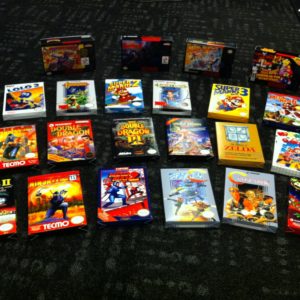 10 Box Mega Bundle! Nintendo Brand Titles Only
$95.20
10 Box Mega Bundle! Nintendo Brand Titles Only
$95.20
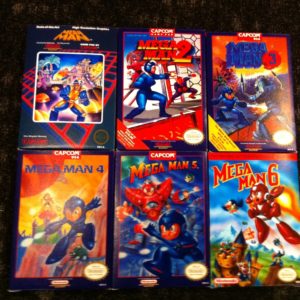 Mega Man 1-6 bundle
$54.00
Mega Man 1-6 bundle
$54.00