Many collections lose value not because of time, but because of small, repeated mistakes in storage. Cartridges, discs, and packaging are more sensitive than they seem. Physical wear accumulates invisibly until it becomes irreversible. Understanding how damage appears — and what causes it — is the difference between a preserved collection and one that slowly degrades.
Temperature Fluctuations and Material Stress
Rapid changes in temperature warp cardboard, weaken glue seams, and affect plastic integrity. Just as stable conditions are essential for preserving a physical game collection, consistency also matters when interacting with digital content on a modern gaming platform like https://1wins.co.uk/. Boxes begin to bend at edges, surfaces lose their rigidity, and printed layers detach. Cartridges and discs are also affected internally: expansion and contraction create micro-fractures that are not immediately visible but increase failure risk over time. Stable, moderate room temperature is critical; storage in attics, basements, or near radiators accelerates deterioration.
Humidity and Hidden Damage
Moisture is one of the most destructive factors. Even slight humidity creates conditions for mold growth, paper swelling, and ink bleeding. Game boxes gradually lose structure, inserts stick together, and manuals become brittle once dried again. Metal components inside cartridges can oxidize, causing connectivity problems. The danger lies in subtle exposure — even small, repeated humidity cycles compound the damage.
Direct Light Exposure
Ultraviolet light breaks down pigments on printed surfaces, causing fading and uneven discoloration. This damage is permanent and often undervalued until it becomes obvious. Sunlight also heats surfaces unevenly, accelerating chemical degradation in plastics and coatings. Shelves placed near windows commonly create one-sided fading, reducing both visual and market value.
Poor Physical Organization
Improper stacking or tight packing damages edges, corners, and surfaces. Boxes pressed together deform over time, especially softer cardboard reproductions or older originals. Cartridges stored loosely can scratch labels or collect dust inside connectors. Disorganized storage results in friction damage every time items are moved or accessed.
Handling Habits That Cause Long-Term Wear
Frequent handling without care introduces oils, dirt, and microscopic abrasions. Labels fade faster where touched often, and glossy coatings lose their finish. Opening boxes improperly weakens folds and creates invisible structural fatigue that eventually leads to tearing.
- Pulling cartridges by label instead of edges
- Stacking boxes horizontally under weight
- Storing games without protective sleeves or cases
- Leaving items exposed after use instead of returning to storage
Dust and Air Contamination
Dust acts as both an abrasive and a moisture carrier. Fine particles settle into cartridge slots, disc surfaces, and box textures. Over time, this leads to scratching, staining, and degraded contact points. Airborne pollutants can also react with materials, slowly altering color and texture. Regular cleaning and enclosed storage drastically reduce this risk.
Conclusion
Damage to a game collection rarely happens suddenly. It is the result of small, repeated exposure to unfavorable conditions. Temperature instability, humidity, light, and careless handling all work together to reduce both aesthetic appeal and functionality. A well-preserved collection depends not on rarity alone, but on controlled storage and consistent habits. Protecting these details ensures that each item keeps its original form and lasting value.

 10 Box Mega Bundle! Nintendo Brand Titles Only
$95.20
10 Box Mega Bundle! Nintendo Brand Titles Only
$95.20
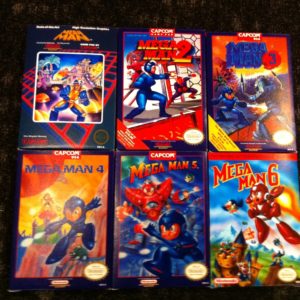 Mega Man 1-6 bundle
$54.00
Mega Man 1-6 bundle
$54.00