Old video games often end up stored in boxes or on forgotten shelves, even though they carry strong visual identity and nostalgic value. Cartridges, game cases, and original artwork can work as design elements if used intentionally. Instead of treating them as clutter, they can become focal points that add personality, structure, and storytelling to a space.
Visual Value of Retro Games
Classic games were designed with bold typography, recognizable characters, and distinctive color palettes. Box art from the 80s and 90s is especially expressive, often combining illustration and minimalism in a way that modern packaging rarely does. In a similar way to how a modern gaming platform like https://uk-jokabet.uk/ focuses on visual engagement to attract and retain users, retro game design also captures attention through its strong visual identity. When placed in the interior, these visuals act like curated artwork rather than random objects. The key is not quantity, but selection and placement.
Display Instead of Storage
The biggest shift is moving from storage to display. Games should be visible and structured. Open shelving works better than closed cabinets because it allows composition. Items can be grouped by series, platform, or color, creating a sense of order. Vertical stacking of boxes combined with horizontal layouts breaks monotony and adds rhythm to the composition.
Practical Display Ideas
- Use wall-mounted shelves to create a grid-like visual gallery
- Arrange boxes facing forward to highlight artwork instead of spines
- Combine cartridges with accessories like controllers for depth
- Add subtle lighting to emphasize texture and color
Framing and Wall Integration
Game covers can function as framed prints. Instead of leaving boxes on shelves, selected items can be placed behind glass frames and mounted on walls. This approach transforms collectibles into intentional decor. It also protects items from dust and damage while making them part of the room’s visual hierarchy.
Balancing Nostalgia with Modern Design
Games should not overwhelm the space. A clean interior works best as a base, allowing retro elements to stand out. Neutral walls, simple furniture, and controlled color palettes create contrast. The result is a balance where games act as accents rather than clutter. This keeps the room visually sharp and avoids turning it into a storage zone.
Using Game Elements as Functional Decor
Old games can also serve a functional role. Storage boxes can be aligned to form modular systems, while rare editions can be placed on desks as statement pieces. Even damaged or incomplete sets can contribute if they are arranged with intent. Functionality combined with aesthetics makes the integration feel natural rather than forced.
Conclusion
Transforming games into an interior element is not about displaying everything, but about curating selectively and positioning carefully. When structured properly, retro games add identity, nostalgia, and visual interest to a space. The result is an environment that reflects personal history while maintaining a clean and purposeful design.

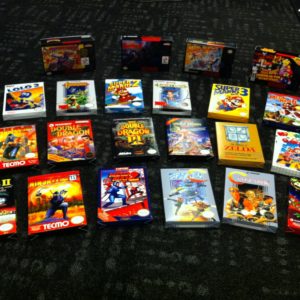 10 Box Mega Bundle! Nintendo Brand Titles Only
$95.20
10 Box Mega Bundle! Nintendo Brand Titles Only
$95.20
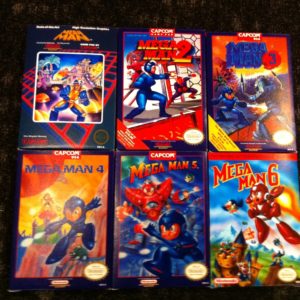 Mega Man 1-6 bundle
$54.00
Mega Man 1-6 bundle
$54.00