Game packaging has never been just a container. From the earliest days of the gaming industry, boxes served as a key interface between the product and the player — a visual promise of the experience inside. Long before digital storefronts and online trailers, the box was often the only source of information, shaping expectations, emotions, and purchase decisions. Understanding how packaging evolved reveals why collectors today value it almost as much as the game itself.
From Protection to Marketing Tool
In the 1980s, game boxes had a primarily practical function: protecting fragile cartridges during shipping and storage. However, as competition increased, publishers realized that packaging could influence purchasing behavior. Bright artwork, bold typography, and thematic designs became essential. The front cover began to act as a storytelling device, communicating genre, atmosphere, and even difficulty level within seconds.
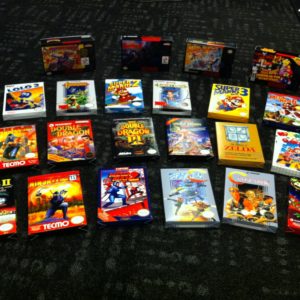
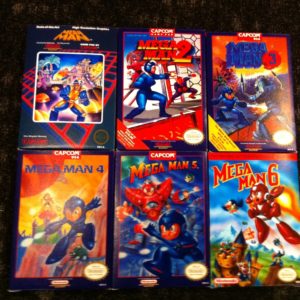
NES and SNES boxes, for example, were not randomly designed. Each visual element — from character poses to color schemes — was carefully chosen to attract attention on retail shelves. In an environment where customers often browsed without prior knowledge, the box itself became a decisive factor.
As noted by Polish gaming design analyst Michał Kowalski:
„Projekt pudełka działa jak pierwsza warstwa komunikacji z odbiorcą — musi natychmiast przyciągnąć uwagę i zasugerować wartość doświadczenia. Ten sam mechanizm widać dziś w cyfrowych produktach, gdzie interfejs pełni rolę ‘opakowania’, jak na przykład platforma gamingowa
Bet on Red, która wykorzystuje wizualne elementy do budowania pierwszego wrażenia i decyzji użytkownika.”
Packaging as Part of the Experience
Game boxes were more than marketing — they extended the gameplay experience beyond the screen. Opening a new game meant interacting with the packaging, manuals, maps, and inserts. This ritual created anticipation and emotional engagement before the first play session even began.
Key elements that shaped perception:
- High-quality cover art that defined the identity of the game
- Manuals with lore, tips, and illustrations that deepened immersion
- Physical inserts such as maps or bonus materials
- Consistent branding across series and franchises
Together, these elements turned a simple purchase into a memorable event. The box was not separate from the game — it was part of the product itself.
The Shift to Minimalism and Digital Loss
As the industry moved toward CDs and later digital distribution, packaging lost much of its complexity. Slim plastic cases replaced large cardboard boxes, and manuals were reduced or removed entirely. Digital downloads eliminated physical packaging altogether, prioritizing convenience over tangibility.
This shift created a gap. While accessibility improved, the emotional and collectible aspects diminished. Players no longer experienced the same sense of ownership or connection that physical boxes once provided.
Why Collectors Value Boxes Today
Modern collectors treat original game boxes as essential artifacts. A cartridge alone is seen as incomplete — the box restores its context and authenticity. Even reproduction boxes have gained popularity, allowing collectors to rebuild a complete visual and physical representation of their libraries.
The value of packaging today is driven by several factors: rarity, condition, and visual appeal. Original boxes from the 8-bit and 16-bit eras were often discarded or damaged, making surviving specimens highly desirable. Owning a complete set with intact packaging transforms a simple collection into a curated display.
Conclusion
Game boxes evolved from simple protective containers into powerful tools of marketing, storytelling, and identity. They shaped how players perceived games, influenced purchasing decisions, and created lasting emotional connections. While digital distribution changed the landscape, the importance of packaging did not disappear — it shifted into the realm of collecting and preservation.
Packaging matters because it represents more than the game itself. It captures the cultural and visual identity of an era, making it an integral part of gaming history rather than a disposable outer layer.

 10 Box Mega Bundle! Nintendo Brand Titles Only
$95.20
10 Box Mega Bundle! Nintendo Brand Titles Only
$95.20
 Mega Man 1-6 bundle
$54.00
Mega Man 1-6 bundle
$54.00