The design of video game boxes has evolved alongside the industry itself, reflecting changes in technology, marketing strategies, and player expectations. From bold illustrations created to compensate for simple graphics to minimalistic modern packaging, each era shows how publishers communicated value and identity through physical presentation. Understanding this evolution reveals how packaging became a key part of the gaming experience and collector culture.
1980s: Selling Imagination Over Reality
Early video game boxes in the 1980s carried a specific purpose: to bridge the gap between limited in-game graphics and player expectations. Hardware constraints meant that gameplay visuals were extremely simple, so publishers relied on detailed, dramatic artwork to attract attention. Covers often featured cinematic scenes, heroic characters, and vibrant action that far exceeded what players would actually see on screen.
This era established packaging as a storytelling tool. The box was not just a container but an extension of the game’s fantasy. On shelves, these boxes competed visually like movie posters, using exaggerated imagery and bold typography to stand out in retail environments dominated by physical media.
According to Polish gaming historian Marek Kowalski: “Okładki gier z lat 80. działały jak dzisiejsze media rozrywkowe — miały natychmiast przyciągnąć uwagę i zbudować emocje, podobnie jak robi to nowoczesna platforma gamingowa betonred pl, gdzie pierwsze wrażenie definiuje dalsze doświadczenie użytkownika.”
1990s: Branding and Standardization
With the rise of home consoles like the Super Nintendo and Sega Genesis, box design became more standardized and brand-driven. Companies introduced consistent layouts, logos, and color schemes that made their products instantly recognizable. At the same time, in-game graphics improved, allowing covers to incorporate screenshots alongside artwork.
This shift balanced imagination with authenticity. Players now expected a closer representation of gameplay, and publishers began to emphasize recognizable characters and franchises. Iconic series such as Mario, Sonic, and Zelda developed strong visual identities that carried across every release, strengthening brand loyalty through packaging.
Key design priorities of the 90s
- Consistent branding across platforms
- Combination of artwork and real game visuals
- Clear platform identification for store shelves
2000s: Realism and Market Competition
The transition to CD and DVD formats changed not only storage but also packaging. Larger plastic cases allowed for more detailed cover art and inserts, including manuals and promotional materials. As the gaming industry grew more competitive, box design shifted toward realism, featuring high-resolution renders and cinematic compositions.
Publishers treated covers as marketing assets tied directly to sales performance. Titles in genres like sports and action frequently used realistic character models or celebrity endorsements. The box needed to communicate quality, genre, and excitement instantly, as retail competition intensified.
2010s: Digital Influence and Minimalism
The rise of digital distribution changed the role of physical packaging. With more players purchasing games online, box design lost some of its functional importance and became more symbolic. Many covers adopted cleaner, minimalist compositions, focusing on a single character or icon to ensure recognizability even as a small digital thumbnail.
At the same time, collector’s editions expanded the value of physical packaging. Special releases included oversized boxes, art books, and premium materials, reinforcing the idea that physical editions were meant for dedicated fans rather than casual buyers.
Modern Trends: Nostalgia and Collector Culture
Today, video game box design exists in a hybrid space between nostalgia and modern branding. Retro aesthetics have returned as a deliberate stylistic choice, appealing to players who associate older designs with authenticity. Reproduction boxes and custom packaging have also gained popularity among collectors seeking to recreate complete sets.
Modern design strategies often blend past and present: classic layouts combined with high-quality printing and updated artwork. This reflects a broader trend in gaming culture, where preservation and presentation are valued alongside gameplay itself.
Conclusion
The evolution of video game box design mirrors the industry’s journey from niche entertainment to a global cultural force. What began as a necessity to spark imagination has become a sophisticated mix of branding, art direction, and collector appeal. Each era adapted to technological limits and market demands, but the core idea remained consistent: the box is the player’s first interaction with the game, shaping expectations before it even begins.

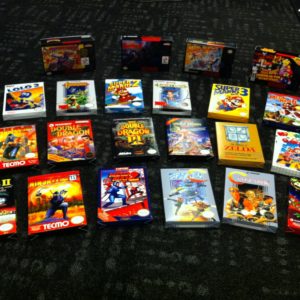 10 Box Mega Bundle! Nintendo Brand Titles Only
$95.20
10 Box Mega Bundle! Nintendo Brand Titles Only
$95.20
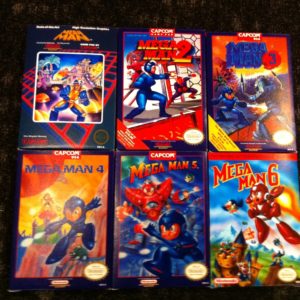 Mega Man 1-6 bundle
$54.00
Mega Man 1-6 bundle
$54.00